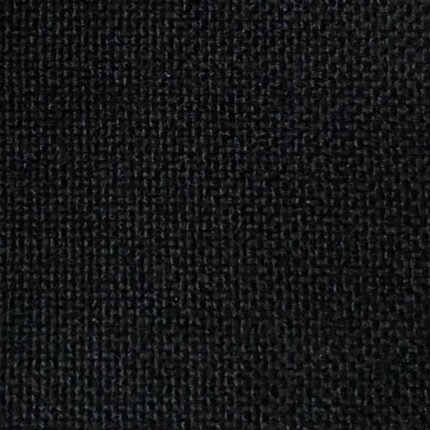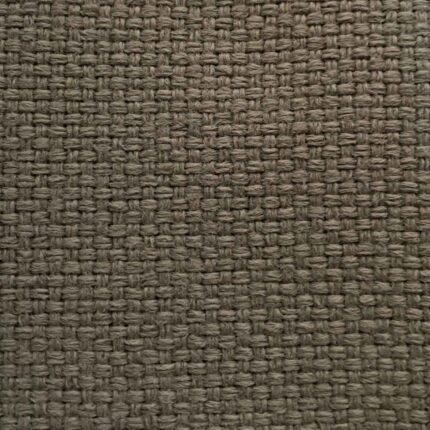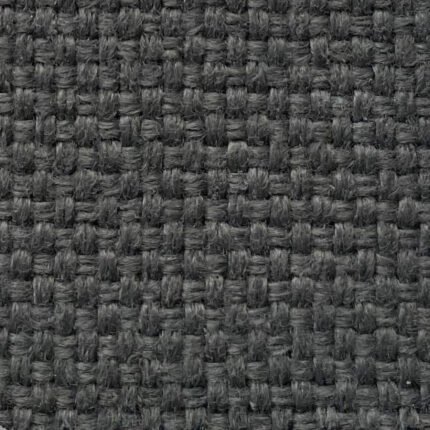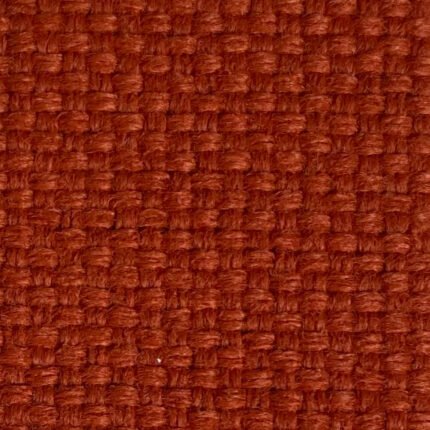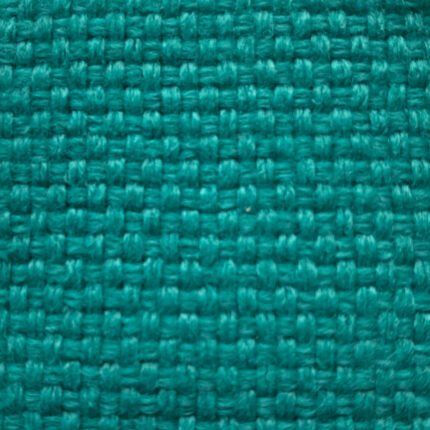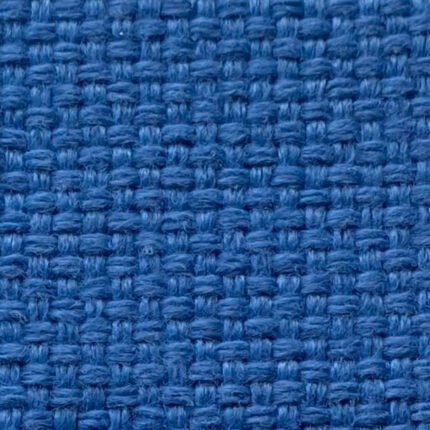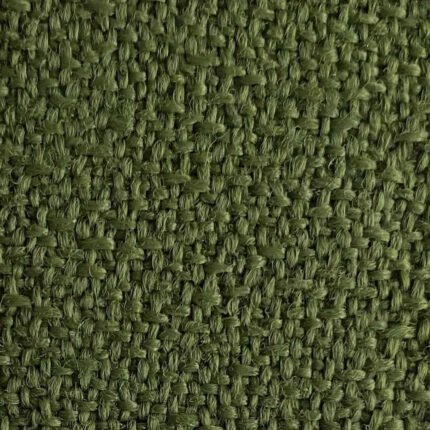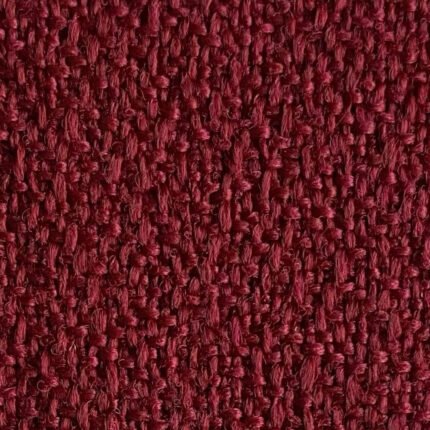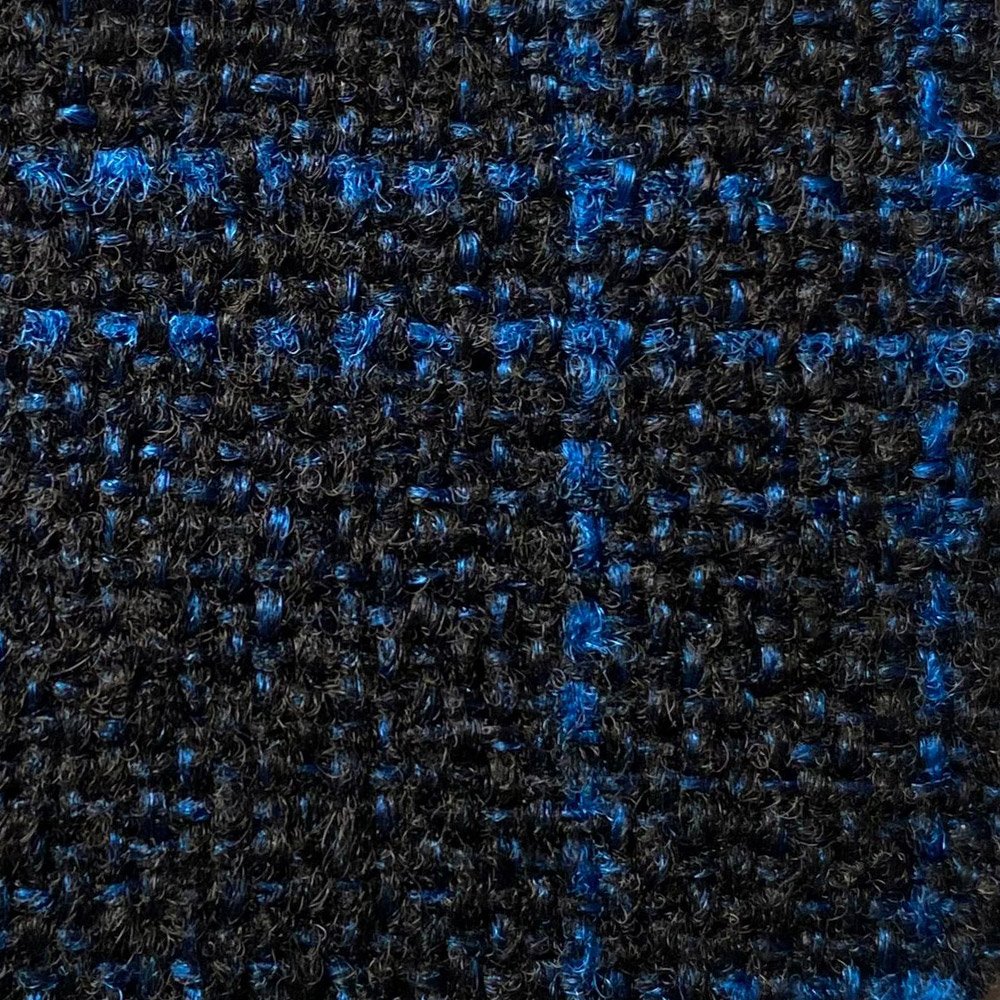
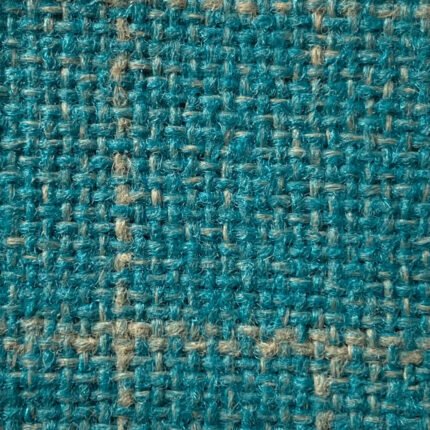
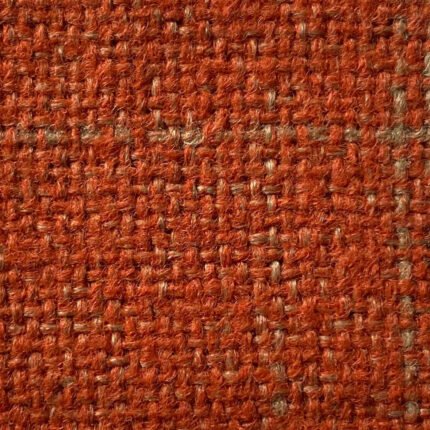
Black Broken Grid
Product Code: 3110
₨0.00
- Office chairs
- Wall paneling
- Partition boards
- Soft boards
- Sofas
- Office workstation paneling
- Lounge seats
- Auditorium seating and
acoustic effect paneling - Seating for public waiting areas
- Cafeterias and canteens
- Wedding halls
- Banquet chairs
- Movie theatres
- Hospitals
- Hotel lobbies
- Domestic furnishings
Extremely durable
Excellent balance of strength, elasticity, and abrasion resistance
Long-lasting
Stands up well to normal use & abuse and maintains its shape better and longer
Colorfast
Made from a special melt-dyed yarn so the color will not crock, bleed, or migrate. The colors remain fresh and vibrant longer
Soil and stain resistant
the fabric resists all water borne stains for example tea, coffee, juice, ketchup, milk, etc.
The fabric is also resistant to most chemicals, a great advantage when fabric is used in factory and other industrial environments.
Unaffected by rot and mildew
The fabric is not attacked by insects or fungus & mildew. It is mothproof and rot-proof
Dimensionally stable, wet or dry
Finished and preshrunk
Easy to clean or wash
Dirt and stains can be easily cleaned with household detergent and water or by wet vacuuming
Quick drying
Furnishings are ready for use even after cleaning
Anti-pilling
No fuzzy balls form on the fabric – maintains its fresh look
Resistant to odors
The fabric simply will not retain smells like those from cigarette smoke, body odors, perspiration, etc.
– A highly desirable property for all upholstery applications
With UV protection
Optional UV additive for resistance to the fading effect of sunlight for outdoor applications
Non-allergenic
Will not irritate sensitive skin
The Fabric Project
The Fabric Project can provide customized design solutions for your special projects.
We can create special colors of standard line products, or create custom colors, textures, and patterns to meet specified applications.
Custom orders are subject to specific minimums and special terms.
The following contract fabric specification guidelines will assure that the fabrics you specify perform up to contract standards and pass all applicable testing. The categories describe performance features as measured by specified methods under standard laboratory conditions.
These guidelines are based on recommendations by the Association of Contract Textiles (ACT) and are for information purposes only. They are made available to assist specifiers and end-users in evaluating certain characteristics of contract textiles.
1. Abrasion
The surface wear of upholstery fabric caused by rubbing and contact with another fabric.
The Martindale abrasion test ASTM D4966-98 is the method commonly used to predict wearability. This is an oscillating test. Fabric samples are mounted flat and rubbed in a figure eight-like motion using a piece of worsted wool cloth as the abradant. The number of cycles that the fabric endures before it shows objectionable change in appearance (yarn breaks, pilling, holes) is counted. Number of cycles (rubs) determines abrasion rating.
Upholstery fabrics for heavy-duty use are rated at 30,000 rubs – these are appropriate for corporate offices, hotel rooms, conference rooms, waiting areas, lounges, dining areas, etc. There are extreme wear situations that may require higher levels of abrasion resistance, such as airport waiting areas, train & bus seating and such public places as theaters, hospitals, lecture halls and fast food restaurants. It is suggested that higher than 60,000 rubs are not meaningful in providing additional value in use.
Durafab upholstery fabrics are tested to > 70,000 rubs.
Actual performance is determined by many factors such as fiber content, type of weave, furniture design and upholstery workmanship, cleaning and usage. The durability of an upholstery fabric also depends on its other features like color fastness, wet & dry crocking, stain resistance, cleanability etc.
2. Colorfastness to light
A fabric’s degree of resistance to the fading effect of light.
Colorfastness to light is a measure of how permanent a color is on fabric after exposure to light. Both natural and synthetic fabrics are subject to discoloration under UV rays (sunlight) and fluorescent light.
In the test method ISO-105-B02 the tested sample is exposed to the influence of the light of a xenon lamp under certain conditions. Lightfastness grading is determined by comparing the level of color loss of the tested sample with blue standards. For example, grade 5 means that the characteristics of color fastness of the tested sample are similar to the characteristics of the blue standard 5.
Grade 5 – no fading
Grade 4 – slight fading
Grade 1 – high degree of fading
Upholstery fabrics should have a minimum rating of 4 regardless of end use.
Durafab upholstery fabrics have a rating of 4–5.
3. Colorfastness to wet and dry crocking/rubbing
Transfer of color from the surface of a colored fabric onto another surface by rubbing or repeated contact.
Test method ISO-105×12:2001 uses a standard white cotton fabric in both dry and wet state that is rubbed against the surface of the test fabric. After rubbing under controlled pressure for a specific number of times the amount of color transferred to the white test squares is compared to a color chart and a rating is established.
Grade 5 – no color transfer
Grade 1 – high degree of color transfer
For upholstery fabrics ACT guidelines recommend dry crocking Grade 4 minimum and wet crocking Grade 3 minimum. Durafab upholstery fabrics have a rating of 4-5 for both dry and wet crocking/rubbing.
4. Pilling
Pilling is the formation of fuzzy balls of fiber on the surface of a fabric that remain attached to the fabric.
ISO-12945-2:2000 Martindale Method with 415g loading mass, 2000 cycles:
Grade 5 – no change
Grade 4 – slight surface fuzzing
Grade 3 – moderate surface pilling. Pills of varying size and density partially covering the surface
Grade 2 – distinct surface pilling. Pills of various size and density covering a large proportion of the surface
Grade 1 – severe pilling covering whole of the fabric surface
Most upholstery fabrics pill to varying degrees. For contract applications fabric should meet grade 4 minimum.
Durafab upholstery fabrics have a pilling rating of 4-5.
5. Colorfastness to perspiration
Resistance to color change due to perspiration.
ISO-105-E104:1994 determines resistance to color change due to acidic or alkaline perspiration.
Grade 5 – no color change
Grade 1 – high degree of color change
Durafab upholstery fabrics have a rating of 4-5.
6. Flammability
A fabric’s performance when it is exposed to specific source of ignition.
ACT guidelines specify different flammability tests dictated by the intended end use of the fabric. The NFPA 701-89 measures ignition resistance of a fabric after it is exposed to a flame for 12 seconds. The flame, char length and flaming residue are recorded. The test is repeated a number of times and all test samples have to pass the test (if even one sample fails, the fabric fails).
ACT guidelines recommend Class 1 for upholstery and panels. Durafab upholstery fabrics meet this recommendation.
Higher fire-resistant property is required in high risk areas with little means of escape, for example in prison cells and on offshore oil installations. Durafab fabrics can be made to meet high hazard applications by incorporation of additives to inhibit or prevent the combustion process.
It must be appreciated that fire hazard presented by any textile is very dependent on its construction, type of fiber and the circumstances at the time. A fabric cannot be described as non-flammable under all conceivable circumstances.
Cleaning information
Durafab fabrics are made from Duralene Olefin synthetic fibers which do not absorb liquids and moisture. Any staining which remains on the fiber surface is easy to clean. Water-based cleaning agents and foam or mild, dry cleaning solvents may be used for cleaning this fabric. It is important to vacuum upholstery regularly to remove the surface dust that builds up and slowly contributes to a graying effect that diminishes the clarity of the original color.
In addition to regular vacuuming, a professional cleaner should come in at least once or twice a year to thoroughly clean the fabric and remove the soiling that a normal vacuum cleaner cannot reach. The expense of this service is small compared to the reward of seating that looks good as new after a lot of use.
Stain treatment
There are two types of stains: water-based and oil-based. The key to removing either type is prompt action. The longer a stain is allowed to remain on a fabric, the more difficult it will be to remove.
For water-based stains, a solution of warm soapy water (not overly soapy) should remove them, as detailed below.
In removing oil-based stains, the same procedure can be followed, but instead of warm water, a spray dry cleaning solution is used. Either treatment should be tried in a concealed part of the fabric first, to make sure there will be no adverse reaction between the color and the cleaning solution.
Step 1.
Soak up excess staining material immediately with a soft absorbent material such as tissue, paper towels or colorfast cloth. Do not dry the stain completely or it may set. Scrape and vacuum away dry, solid material. Avoid working soiliant deeper into the fabric.
Step 2.
Either by using warm soapy water or a dry cleaning solution and a clean sponge or soft bristle brush, begin brushing the stain with light, quick strokes. Start at the outside of the stain and work toward the center to avoid ringing. Be careful not to overly saturate the stain with cleaning solution or you may get a ring. Also, overwetting may spread the stain and damage cushion material under the fabric. Do not rub too vigorously or you may damage the nap of the fabric or break fibers. Turn the damp cloth frequently to a clean surface to avoid redepositing the soiliant.
Step 3.
Once the stain is removed, soak up all remaining cleaning solution and then use another clean cloth or sponge dipped in cool water to remove any residue that will attract further soiling. Cleaning the entire fabric panel, or at least a large area around the spot reduces the likelihood of ringing.
Step 4.
Allow fabric to dry thoroughly and then vacuum well before using.
Step 5.
Several light applications are less harmful to fabrics than one concentrated one. If you go through the above steps and there is still a stain, repeat the entire procedure.
Note: never use anything hot to clean fabric, as heat will set stains. Also, avoid a scrubbing motion. If the stain is stubborn, call a professional cleaner and ask for their advice.
- Office chairs
- Wall paneling
- Partition boards
- Soft boards
- Sofas
- Office workstation paneling
- Lounge seats
- Auditorium seating and
acoustic effect paneling - Seating for public waiting areas
- Cafeterias and canteens
- Wedding halls
- Banquet chairs
- Movie theatres
- Hospitals
- Hotel lobbies
- Domestic furnishings
Extremely durable
Excellent balance of strength, elasticity, and abrasion resistance
Long-lasting
Stands up well to normal use & abuse and maintains its shape better and longer
Colorfast
Made from a special melt-dyed yarn so the color will not crock, bleed, or migrate. The colors remain fresh and vibrant longer
Soil and stain resistant
the fabric resists all water borne stains for example tea, coffee, juice, ketchup, milk, etc.
The fabric is also resistant to most chemicals, a great advantage when fabric is used in factory and other industrial environments.
Unaffected by rot and mildew
The fabric is not attacked by insects or fungus & mildew. It is mothproof and rot-proof
Dimensionally stable, wet or dry
Finished and preshrunk
Easy to clean or wash
Dirt and stains can be easily cleaned with household detergent and water or by wet vacuuming
Quick drying
Furnishings are ready for use even after cleaning
Anti-pilling
No fuzzy balls form on the fabric – maintains its fresh look
Resistant to odors
The fabric simply will not retain smells like those from cigarette smoke, body odors, perspiration, etc.
– A highly desirable property for all upholstery applications
With UV protection
Optional UV additive for resistance to the fading effect of sunlight for outdoor applications
Non-allergenic
Will not irritate sensitive skin
The Fabric Project
The Fabric Project can provide customized design solutions for your special projects.
We can create special colors of standard line products, or create custom colors, textures, and patterns to meet specified applications.
Custom orders are subject to specific minimums and special terms.
The following contract fabric specification guidelines will assure that the fabrics you specify perform up to contract standards and pass all applicable testing. The categories describe performance features as measured by specified methods under standard laboratory conditions.
These guidelines are based on recommendations by the Association of Contract Textiles (ACT) and are for information purposes only. They are made available to assist specifiers and end-users in evaluating certain characteristics of contract textiles.
1. Abrasion
The surface wear of upholstery fabric caused by rubbing and contact with another fabric.
The Martindale abrasion test ASTM D4966-98 is the method commonly used to predict wearability. This is an oscillating test. Fabric samples are mounted flat and rubbed in a figure eight-like motion using a piece of worsted wool cloth as the abradant. The number of cycles that the fabric endures before it shows objectionable change in appearance (yarn breaks, pilling, holes) is counted. Number of cycles (rubs) determines abrasion rating.
Upholstery fabrics for heavy-duty use are rated at 30,000 rubs – these are appropriate for corporate offices, hotel rooms, conference rooms, waiting areas, lounges, dining areas, etc. There are extreme wear situations that may require higher levels of abrasion resistance, such as airport waiting areas, train & bus seating and such public places as theaters, hospitals, lecture halls and fast food restaurants. It is suggested that higher than 60,000 rubs are not meaningful in providing additional value in use.
Durafab upholstery fabrics are tested to > 70,000 rubs.
Actual performance is determined by many factors such as fiber content, type of weave, furniture design and upholstery workmanship, cleaning and usage. The durability of an upholstery fabric also depends on its other features like color fastness, wet & dry crocking, stain resistance, cleanability etc.
2. Colorfastness to light
A fabric’s degree of resistance to the fading effect of light.
Colorfastness to light is a measure of how permanent a color is on fabric after exposure to light. Both natural and synthetic fabrics are subject to discoloration under UV rays (sunlight) and fluorescent light.
In the test method ISO-105-B02 the tested sample is exposed to the influence of the light of a xenon lamp under certain conditions. Lightfastness grading is determined by comparing the level of color loss of the tested sample with blue standards. For example, grade 5 means that the characteristics of color fastness of the tested sample are similar to the characteristics of the blue standard 5.
Grade 5 – no fading
Grade 4 – slight fading
Grade 1 – high degree of fading
Upholstery fabrics should have a minimum rating of 4 regardless of end use.
Durafab upholstery fabrics have a rating of 4–5.
3. Colorfastness to wet and dry crocking/rubbing
Transfer of color from the surface of a colored fabric onto another surface by rubbing or repeated contact.
Test method ISO-105×12:2001 uses a standard white cotton fabric in both dry and wet state that is rubbed against the surface of the test fabric. After rubbing under controlled pressure for a specific number of times the amount of color transferred to the white test squares is compared to a color chart and a rating is established.
Grade 5 – no color transfer
Grade 1 – high degree of color transfer
For upholstery fabrics ACT guidelines recommend dry crocking Grade 4 minimum and wet crocking Grade 3 minimum. Durafab upholstery fabrics have a rating of 4-5 for both dry and wet crocking/rubbing.
4. Pilling
Pilling is the formation of fuzzy balls of fiber on the surface of a fabric that remain attached to the fabric.
ISO-12945-2:2000 Martindale Method with 415g loading mass, 2000 cycles:
Grade 5 – no change
Grade 4 – slight surface fuzzing
Grade 3 – moderate surface pilling. Pills of varying size and density partially covering the surface
Grade 2 – distinct surface pilling. Pills of various size and density covering a large proportion of the surface
Grade 1 – severe pilling covering whole of the fabric surface
Most upholstery fabrics pill to varying degrees. For contract applications fabric should meet grade 4 minimum.
Durafab upholstery fabrics have a pilling rating of 4-5.
5. Colorfastness to perspiration
Resistance to color change due to perspiration.
ISO-105-E104:1994 determines resistance to color change due to acidic or alkaline perspiration.
Grade 5 – no color change
Grade 1 – high degree of color change
Durafab upholstery fabrics have a rating of 4-5.
6. Flammability
A fabric’s performance when it is exposed to specific source of ignition.
ACT guidelines specify different flammability tests dictated by the intended end use of the fabric. The NFPA 701-89 measures ignition resistance of a fabric after it is exposed to a flame for 12 seconds. The flame, char length and flaming residue are recorded. The test is repeated a number of times and all test samples have to pass the test (if even one sample fails, the fabric fails).
ACT guidelines recommend Class 1 for upholstery and panels. Durafab upholstery fabrics meet this recommendation.
Higher fire-resistant property is required in high risk areas with little means of escape, for example in prison cells and on offshore oil installations. Durafab fabrics can be made to meet high hazard applications by incorporation of additives to inhibit or prevent the combustion process.
It must be appreciated that fire hazard presented by any textile is very dependent on its construction, type of fiber and the circumstances at the time. A fabric cannot be described as non-flammable under all conceivable circumstances.
Cleaning information
Durafab fabrics are made from Duralene Olefin synthetic fibers which do not absorb liquids and moisture. Any staining which remains on the fiber surface is easy to clean. Water-based cleaning agents and foam or mild, dry cleaning solvents may be used for cleaning this fabric. It is important to vacuum upholstery regularly to remove the surface dust that builds up and slowly contributes to a graying effect that diminishes the clarity of the original color.
In addition to regular vacuuming, a professional cleaner should come in at least once or twice a year to thoroughly clean the fabric and remove the soiling that a normal vacuum cleaner cannot reach. The expense of this service is small compared to the reward of seating that looks good as new after a lot of use.
Stain treatment
There are two types of stains: water-based and oil-based. The key to removing either type is prompt action. The longer a stain is allowed to remain on a fabric, the more difficult it will be to remove.
For water-based stains, a solution of warm soapy water (not overly soapy) should remove them, as detailed below.
In removing oil-based stains, the same procedure can be followed, but instead of warm water, a spray dry cleaning solution is used. Either treatment should be tried in a concealed part of the fabric first, to make sure there will be no adverse reaction between the color and the cleaning solution.
Step 1.
Soak up excess staining material immediately with a soft absorbent material such as tissue, paper towels or colorfast cloth. Do not dry the stain completely or it may set. Scrape and vacuum away dry, solid material. Avoid working soiliant deeper into the fabric.
Step 2.
Either by using warm soapy water or a dry cleaning solution and a clean sponge or soft bristle brush, begin brushing the stain with light, quick strokes. Start at the outside of the stain and work toward the center to avoid ringing. Be careful not to overly saturate the stain with cleaning solution or you may get a ring. Also, overwetting may spread the stain and damage cushion material under the fabric. Do not rub too vigorously or you may damage the nap of the fabric or break fibers. Turn the damp cloth frequently to a clean surface to avoid redepositing the soiliant.
Step 3.
Once the stain is removed, soak up all remaining cleaning solution and then use another clean cloth or sponge dipped in cool water to remove any residue that will attract further soiling. Cleaning the entire fabric panel, or at least a large area around the spot reduces the likelihood of ringing.
Step 4.
Allow fabric to dry thoroughly and then vacuum well before using.
Step 5.
Several light applications are less harmful to fabrics than one concentrated one. If you go through the above steps and there is still a stain, repeat the entire procedure.
Note: never use anything hot to clean fabric, as heat will set stains. Also, avoid a scrubbing motion. If the stain is stubborn, call a professional cleaner and ask for their advice.